

 AUD (AUD)
 EUR (EUR)
 NZD (NZD)
 Canadian dollar (CAD)
 British pound (GBP)
Dancewear: Why There Are So Many Dance Styles to Choose From
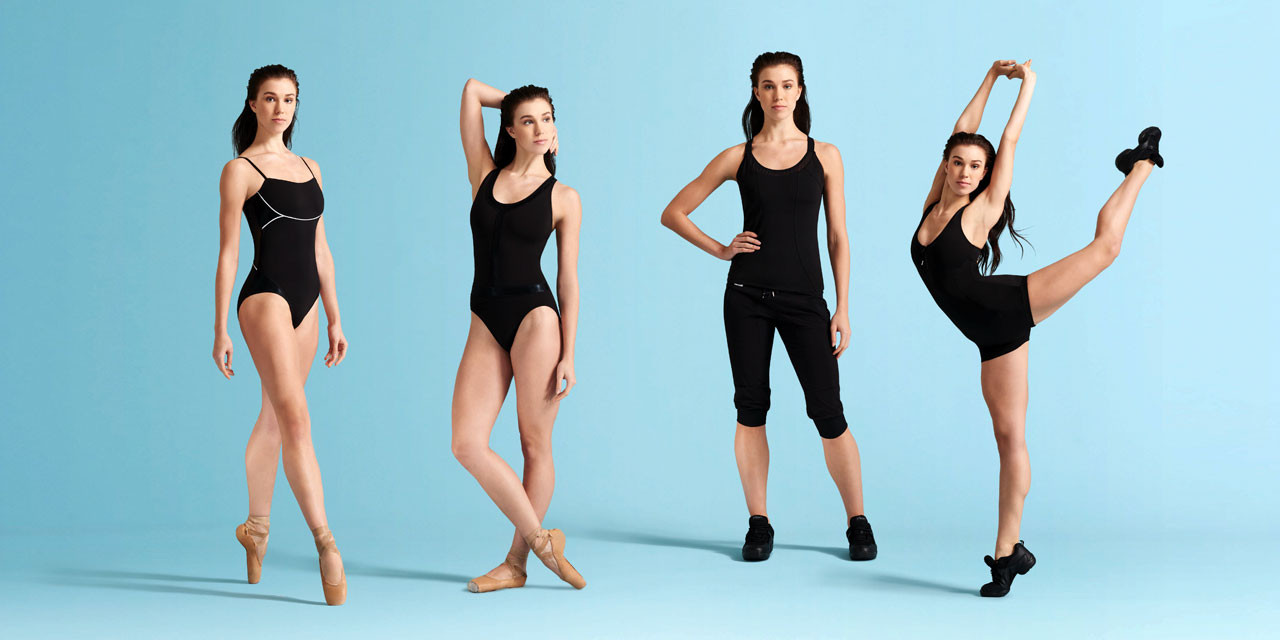
Different dance styles make different physical demands, and dancewear exists to meet them. The fabric, fit, and construction of what a dancer wears directly affects how they move, how long they can train, and how their lines read from the front row. That is why the range is as wide as it is.
Dance styles and their dancewear
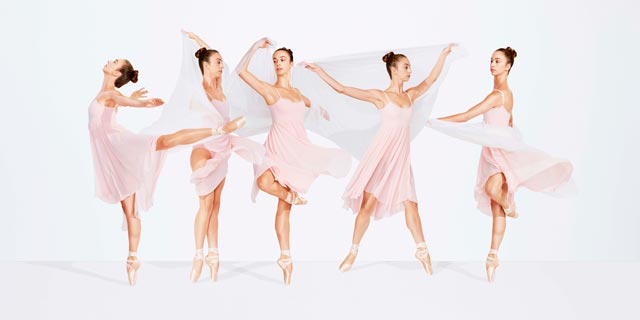
Ballet
Ballet is built around visible technique. Teachers need to see alignment, posture, and placement at all times, which is why the leotard is the standard for class. A fitted leotard with tights leaves nothing hidden and nothing in the way. For performances, the tutu does a specific job: the shape draws the eye to the dancer's upper body and arms, and the skirt length is chosen to show the legs and footwork clearly.
Jazz
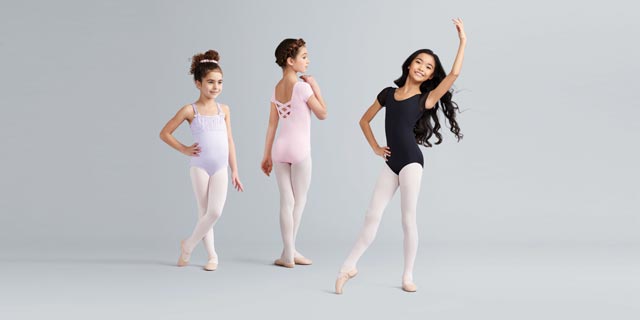
Jazz dance demands range of motion and sharp, defined movement. Fitted tops or leotards with leggings are the standard because loose fabric obscures lines and can catch during turns and jumps. The fit needs to be close without restricting the hip flexors or shoulders, both of which take heavy use in jazz. Fabric with a good stretch recovery matters here: something that moves with you and snaps back, not something that bags and shifts mid-routine.
Tap
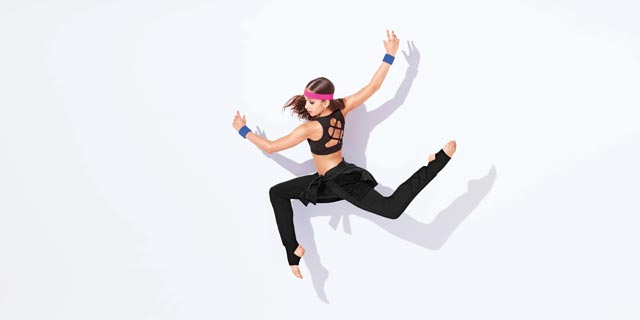
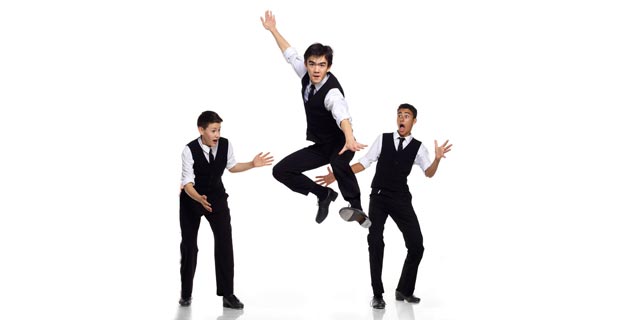
Tap puts the focus on footwork and sound, so the rest of the outfit mostly needs to stay out of the way. Fitted pants or skirts that allow full leg freedom are standard. Nothing long or loose around the ankle, where it could interfere with the shoe or muffle the sound. For concert work, vests and more formal pieces are common, adding a theatrical quality to the performance without restricting movement.
Contemporary and modern
Contemporary dance is where the clothing has the most latitude. Layering is common: loose tops over leotards, footless tights, flowing skirts that move with the body. The fabric choices tend toward lighter weights and drape well, because a lot of contemporary choreography uses the movement of the clothing as part of the visual effect. What matters most is that nothing pulls tight or restricts the floor work, which in contemporary can be extensive.
Hip-hop
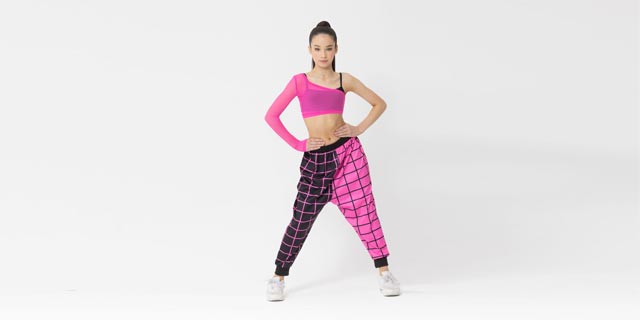
Hip-hop sits at the other end of the spectrum: loose, comfortable, and deliberately casual. Baggy pants, hoodies, and streetwear-influenced pieces are the norm, and that is not incidental. The aesthetic is part of the style. The loose fit also gives the freedom needed for the high-energy, grounded movement that hip-hop requires, particularly for floor work and breaking where a fitted leotard would be completely wrong.
What to look for in dancewear
Fabric and function
The two things that matter most in dancewear fabric are stretch and breathability. Spandex and Lycra blends give the stretch recovery that keeps garments in shape through a full class. Moisture-wicking fabrics draw sweat away from the skin, which matters more than most dancers realise until they have trained in something that does not wick and spent the back half of a rehearsal cold and damp.
Breathable fabrics prevent overheating during long sessions. This is especially relevant for ballet and contemporary, where training can run for hours without a break. The right fabric keeps the body at a stable temperature and lets the dancer stay focused on the work.
Fit
Dancewear that fits well should feel secure without restricting movement at the shoulders, hips, or through the back. A leotard that pulls across the shoulders will affect port de bras. Pants that are too tight through the hip will interfere with any style that demands a wide stance or deep plie. Always check fit in motion, not just standing still. Consult the brand sizing charts before ordering online, and visit the store in Maroubra if you need to try before you buy.
Colour
Many dance schools specify colours for class, and certain styles have industry-standard colours for exams and concerts. Our brands stock apparel in those standard shades, and we carry colour guides from each brand to help you match correctly.
Budget
Quality dancewear holds up to daily training. Cheaper fabrics lose their stretch and shape faster, which means replacing them more often. Second-hand dancewear is worth considering, particularly for growing children: check the fabric for pilling, inspect the seams, and make sure the elastic still has recovery. Many dance schools run second-hand uniform pools, which are a practical option for families.
How dancewear has changed
Early ballet dancers performed in full court dress: elaborate, heavy, and severely limiting. The shift to the tutu in the Romantic era of the 1830s and 1840s was a functional decision as much as an aesthetic one. The lighter, shorter skirt gave dancers room to show their footwork and move with the physical freedom the new choreography demanded.
The leotard arrived in the early twentieth century, named after French acrobat Jules Leotard, and became the foundation of dancewear across styles. The jazz age brought looser, fringe-trimmed pieces suited to the energy and character of social dance. Spanish flamenco kept its traditional ruffled dress because the skirt is an instrument: the way it moves and sounds is inseparable from the dance itself.
Today the priorities are stretch, breathability, and inclusivity. Brands now cover a wider range of body types than they did twenty years ago, and sustainable materials including organic cotton and recycled fabrics have entered mainstream dancewear. Bold designs, metallics, and mesh have become standard options across most styles. The range Dance Direct stocks reflects all of that: functional pieces that meet the technical demands of each style, across a full range of sizes.
If you are not sure what your class or school requires, contact us or come into the Maroubra store. Getting the right gear from the start saves a lot of back-and-forth later.
Dance Blog
Ballet Shoes vs Jazz Shoes: What Does My Child Need?
If you are a dance mum standing in a store trying to work out what shoes your child actually needs,...
What to Wear to Your First Ballet Class
Starting ballet is exciting. Whether you're enrolling your little one for the first time or stepping...
What to Wear to Gymnastics Besides a Leotard: Our Top Picks
The leotard is the foundation of gymnastics dress, but it is not the only option. Most gymnasts buil...
Which Dance Bag Does Your Dancer Actually Need to Carry?
A dance bag does a specific job. It carries shoes, costumes, accessories, and everything a dancer ne...
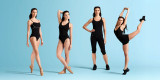
Dancewear: Why There Are So Many Dance Styles to Choose From
Different dance styles make different physical demands, and dancewear exists to meet them. The fabri...

Dance Shoes: What Are the Different Styles?
Dance shoes are not all made the same, and they are not meant to be. Each style is built for what th...