

 USD (USD)
 EUR (EUR)
 NZD (NZD)
 Canadian dollar (CAD)
 British pound (GBP)
What to Wear to Gymnastics Besides a Leotard: Our Top Picks

The leotard is the foundation of gymnastics dress, but it is not the only option. Most gymnasts build a wardrobe of pieces they mix depending on the session, the season, and personal preference. Here is what works and what to look for.
What gymnasts wear to class
Tank tops and crop tops

Tank tops and crop tops are the most common leotard alternative. They sit close to the body without the all-in-one construction, which some gymnasts prefer for comfort and ease. The fit needs to be snug enough that the top does not shift or ride up during inverted work or floor skills. A loose fit looks fine standing still and causes problems the moment you go upside down.
Shorts and leggings
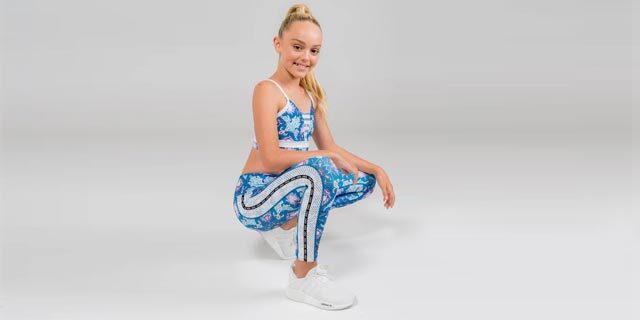
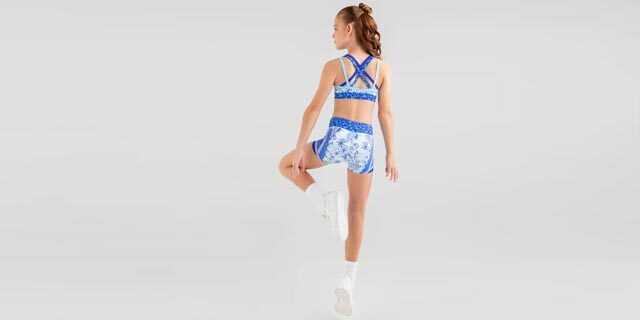
Shorts and leggings pair with a crop top or leotard for extra coverage and warmth. Lycra shorts give full stretch and are the most practical for class. Velvet hot pants are a popular choice for concerts and end-of-year performances where the look matters. Leggings are the right call in cooler months or for gymnasts who prefer full-leg coverage during training.
Sports bras
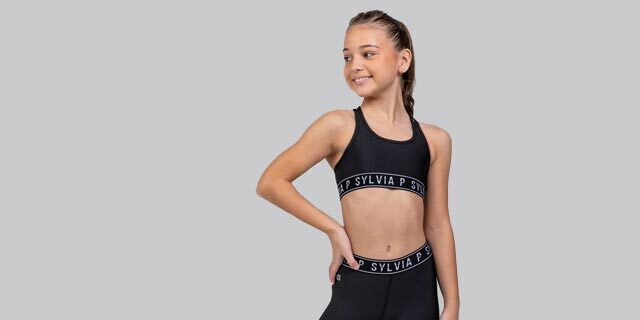
For older gymnasts, a well-fitted sports bra worn under a leotard or crop top is standard. Racerback and cross-back designs work best because they stay in place during the full range of gymnastics movement and do not interfere with back flexibility. Moisture-wicking fabric is worth prioritising: a sports bra that holds sweat against the skin becomes uncomfortable fast in a long training session.
On bra cups: some gymnasts use them, some do not. If you do, make sure they are secured properly. Cups that shift during a routine are a real distraction. On underwear: seamless or sports-specific options are the practical choice. Standard underwear shows through most gymnastics gear and can cause chafing during floor work.
Wraps and warm-up gear
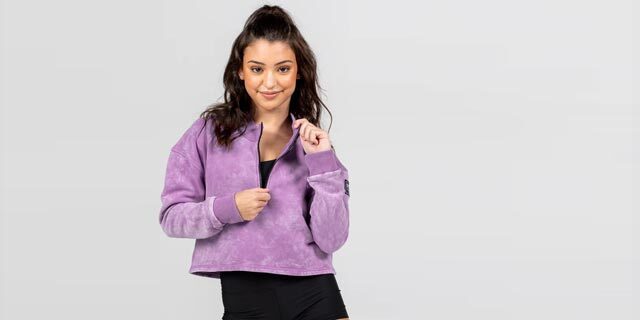
Warming up properly matters in gymnastics, and keeping muscles warm until training starts in earnest reduces injury risk. Wraps and lightweight jackets are worn over the main outfit before class begins and come off once the body is warm. Look for pieces that are easy to remove quickly and do not catch on equipment.
What to look for in fabric
Two things matter most in gymnastics fabric: stretch and moisture management.
Spandex and Lycra blends are the standard because they stretch in every direction and return to shape. A fabric that bags or loses its stretch after washing will not last long in a gymnastics class. The fit needs to stay consistent from the first minute of warm-up to the last skill of the session.
Moisture-wicking fabrics pull sweat away from the skin and allow it to evaporate. This keeps the body at a stable temperature during intense training and prevents the skin irritation that comes from sitting in damp fabric. Polyester and nylon blends handle this better than cotton, which absorbs moisture and holds it.
Practice wear vs competition wear

For class and training, the priority is comfort and practicality. A crop top with Lycra shorts or tights, or a plain leotard with a wrap, is enough. Colours and patterns are personal preference: bright colours and prints are popular with younger gymnasts, and wearing something you like does make class more enjoyable.
For concerts and competitions, the outfit is part of the performance. This is where velvet hot pants, metallic fabrics, and more considered colour choices come in. The school or club will usually specify what is required, so check before buying anything for a performance.
Colours, patterns, and accessories
Gymnastics wear comes in a wide range of colours and prints, and choosing something you like wearing is genuinely worth thinking about. You train in this gear regularly, and confidence in what you are wearing carries into how you move.
Scrunchies and headbands keep hair off the face during training, which is a safety issue as much as a style one. Hair that falls across the eyes during a skill is a real problem. Choose accessories that hold securely and do not have hard embellishments that could cause discomfort on the floor or apparatus.
If you need help finding the right fit or are not sure what your school requires, contact us or visit the store in Maroubra. Happy tumbling.
Dance Blog
What to Wear to Your First Ballet Class
Starting ballet is exciting. Whether you're enrolling your little one for the first time or stepping...
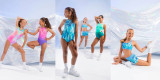
What to Wear to Gymnastics Besides a Leotard: Our Top Picks
The leotard is the foundation of gymnastics dress, but it is not the only option. Most gymnasts buil...
Stylish and Functional Dance Bags for Every Dancer's Needs
A dance bag does a specific job. It carries shoes, costumes, accessories, and everything a dancer ne...
Dancewear: Why There Are So Many Dance Styles to Choose From
Different dance styles make different physical demands, and dancewear exists to meet them. The fabri...

Dance Shoes: What Are the Different Styles?
Dance shoes are not all made the same, and they are not meant to be. Each style is built for what th...